Structural Drying in Parker, CO
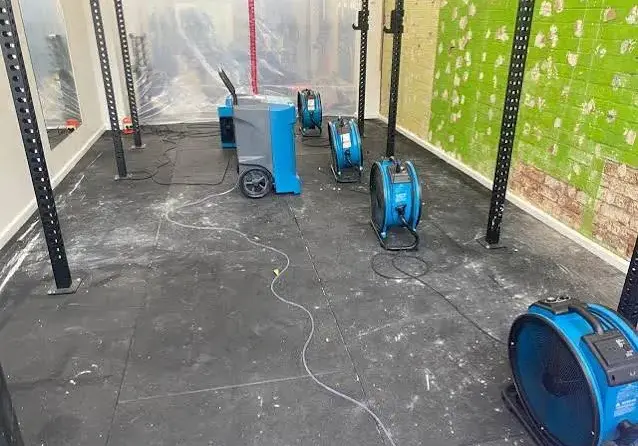
Surface drying leaves water in framing, subfloor and wall cavities. The drying team sizes air movers and dehumidifiers to each room and keeps the equipment running until the readings say dry.
(888) 532-8620Need the structure dried? Call now- IICRC S500 drying goal
- LGR dehumidification
- Daily psychrometric logs
What to do while waiting for drying equipment
- Keep the heat on at a normal setting; cold rooms dry slowly.
- Open closet and cabinet doors in wet rooms.
- Do not run fans that blow water into dry rooms.
- Keep windows closed unless the outside air is dry and warm.
- Photograph wet areas and water lines on the walls.
What does structural drying cost in Parker, CO?
In Parker, CO, structural drying typically runs $1,000 to $6,000 on its own. The drivers are the number of rooms, the material class (Class 4 hardwood and concrete take longer), the equipment count and how many days the equipment runs.
One or two rooms
- Air movers and one dehumidifier
- Three to four days
- Daily readings
Whole level
- Multiple LGR dehumidifiers
- Cavity drying
- Drying logs
Class 4 materials
- Hardwood mats or desiccants
- Concrete and plaster
- Extended monitoring
For a closer planning number, try the water damage cost calculator. The restoration contractor who responds prices the job after the walkthrough and the moisture map.
How structural drying is handled in Parker
- 01
Moisture map
Every wet material is read and marked before equipment goes down.
- 02
Size the equipment
Air movers and dehumidifiers are set to the room's evaporation load and class.
- 03
Monitor daily
Temperature, humidity and material readings are logged every day.
- 04
Verify dry
Equipment leaves when readings match the dry reference.
Why Colorado air does not dry a house by itself
Parker's air is dry most of the year, which helps once water is out of the structure, but it does not reach inside a wall cavity, under a floor or into a soaked slab. Basements stay cool, and cool air holds less moisture, so wet framing in a lower level can stay wet for weeks without equipment. Structural drying moves air across wet surfaces and pulls the moisture out of the room with dehumidifiers.
Get the drying started today.
(888) 532-8620Set up drying in the Parker homeThe equipment and when it is used
- Air movers aimed along walls and into opened cavities
- LGR (low grain refrigerant) dehumidifiers for most rooms
- Desiccant dehumidifiers for cold basements and Class 4 materials
- Hardwood drying mats that pull water up through floor boards
- Thermal imaging and pinless meters to track progress
The drying record
Every day the drying team logs temperature, relative humidity and material readings. That drying log is what shows an adjuster the structure reached the goal. The EPA explains why materials need to dry within 24 to 48 hours, and Colorado State University Extension publishes information on home moisture in Colorado. Drying usually follows water extraction.
Water damage help across Parker, CO
The Parker restoration crew covers both Parker ZIP codes, from Downtown Parker and Stroh Ranch to Stonegate, Bradbury Ranch and the Pinery, plus Lone Tree, Castle Pines and Franktown next door.
ZIP codes 80134 and 80138, plus the neighboring communities.
See every Parker area coveredOther water damage services in Parker
Structural drying questions, answered
What is the IICRC S500 standard?
It is the industry standard for professional water damage restoration. It covers how water is categorized, how drying equipment is sized, how moisture is measured and when a structure counts as dry.
How many air movers does a room need?
It depends on the room size, the wet wall area and the class of the loss. The drying team sets them to the evaporation load of each room.
Can the equipment be turned off at night?
It should run around the clock. Turning it off lets humidity rise and slows drying, which adds days.
What is the difference between LGR and desiccant dehumidifiers?
LGR units cool the air to pull water out and work well in most rooms. Desiccant units use a drying wheel and work better in cold basements and on dense materials.
How long does structural drying take?
A contained Class 1 or 2 loss usually dries in three to five days. Hardwood, plaster and concrete take longer.
Why is the electric bill higher during drying?
Air movers and dehumidifiers draw power around the clock. The drying log shows how long they ran, which some policies consider.
Wet structure in Parker? Call now.
Air movers, LGR dehumidifiers and daily readings until the structure is dry.
(888) 532-8620Call about drying the Parker homeParker Water Damage Restoration
Parker, CO and Douglas County
Water and sewage losses only
Find us on Google