Emergency Water Extraction in Parker, CO
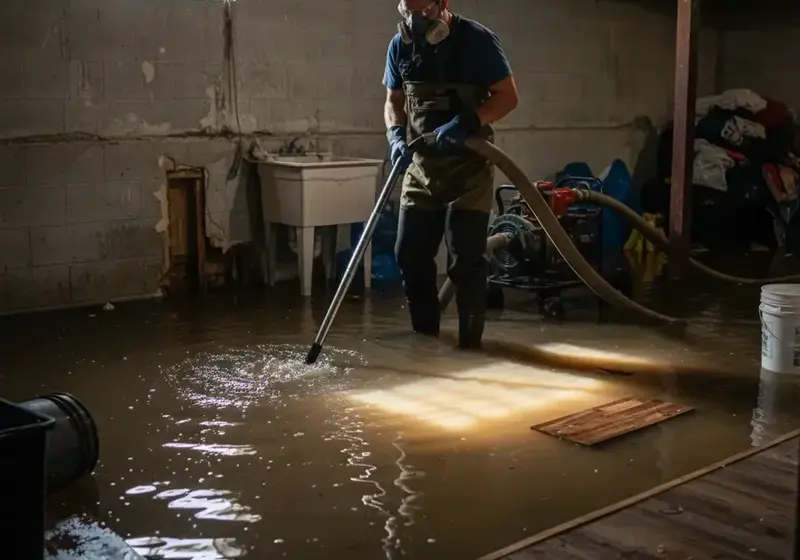
Standing water keeps soaking into pad, drywall and subfloor for as long as it sits. The extraction crew pulls it out with truck-mounted pumps and wands, then the drying team takes over.
(888) 532-8620Water standing in Parker? Start extraction- Truck-mounted extraction
- Moisture mapping first
- Emergency dispatch around the clock
What to do the moment you find standing water
- Stop the source: close the fixture valve or the main shut-off, usually in the basement near the meter.
- Switch off power to the wet rooms at the breaker, only if the panel is dry.
- Keep people and pets out of water near outlets, cords and the furnace.
- Photograph every wet room before anything is moved or thrown out.
- Lift rugs, boxes and furniture legs off the wet floor, then call for extraction.
What does emergency water extraction cost in Parker, CO?
In Parker, CO, emergency water extraction typically runs $400 to $2,500 on its own, and most losses add structural drying on top. The drivers are the square footage that is wet, the water category, the flooring type and how long the water sat.
Small area
- One room or a hallway
- Hard floor or carpet
- Pump-out and wand extraction
Finished basement
- Several rooms of carpet and pad
- Weighted extraction
- Pad removal where needed
Large or contaminated
- Category 2 or 3 water
- Whole level or commercial space
- Containment and disposal
For a closer planning number, try the water damage cost calculator. The restoration contractor who responds prices the job after the walkthrough and the moisture map.
How water extraction is handled in Parker
- 01
Map the water
The tech who does the walkthrough traces the edges of the loss with pinless meters and a thermal camera.
- 02
Pump and extract
The extraction crew runs truck-mounted units and wands so the water leaves the house instead of spreading.
- 03
Set the drying
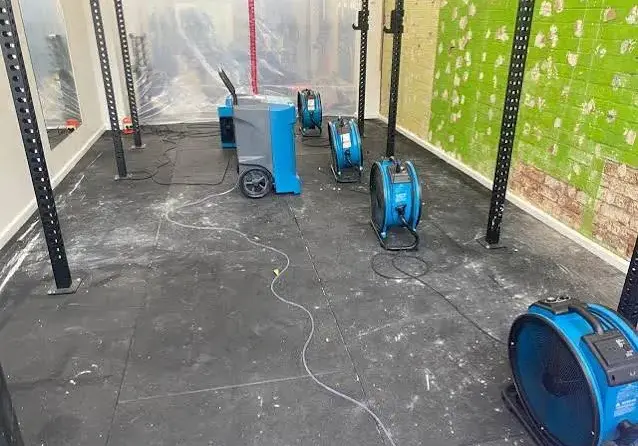
Air movers and LGR dehumidifiers go in at the evaporation load of each room.
- 04
Log the readings
Daily readings track every wet material until it reaches the drying goal.
Why fast extraction matters in Parker homes
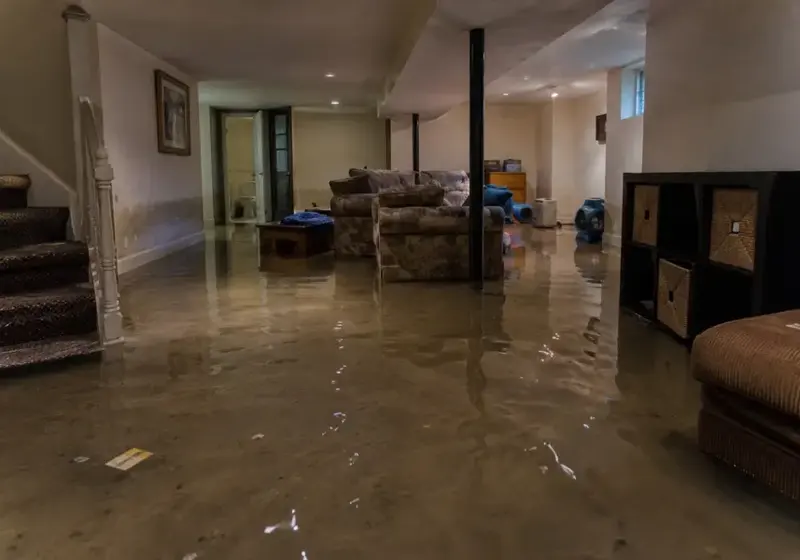
Most Parker homes have a full basement, and most of those basements are finished with carpet, pad and drywall. Water that reaches that level sits on a slab, wicks up the walls and soaks the pad from below. The longer it sits, the more material has to come out. Extraction pulls the bulk of the water in the first visit so the structural drying equipment only has to handle what soaked in.
Call before the water reaches the subfloor.
(888) 532-8620Get water pulled out of the Parker homeWhat the extraction crew brings
- Truck-mounted extraction units that send water out of the house through hoses
- Portable extractors for upper floors and tight spaces
- Weighted extraction tools that press water out of carpet and pad
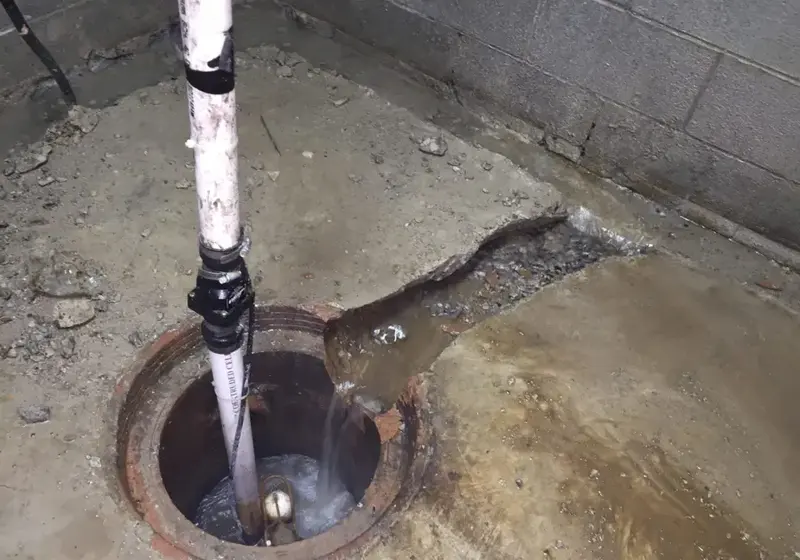
- Submersible pumps for standing water deeper than a couple of inches
- Moisture meters and thermal imaging to find water under floors and behind baseboards
Clean water from a supply line is extracted and dried in place. Gray and black water are handled differently: porous materials touched by sewage or floodwater are removed, not dried.
When the water came from outside
Surface water from a storm or a filled window well is treated as Category 3 once it crosses soil and pavement. The EPA notes that wet materials need to be dried within 24 to 48 hours to limit mold growth, and the Ready.gov flood page covers safety around floodwater and electricity. Extraction is the step that makes that window reachable.
Water damage help across Parker, CO
The Parker restoration crew covers both Parker ZIP codes, from Downtown Parker and Stroh Ranch to Stonegate, Bradbury Ranch and the Pinery, plus Lone Tree, Castle Pines and Franktown next door.
ZIP codes 80134 and 80138, plus the neighboring communities.
See every Parker area coveredOther water damage services in Parker
Water extraction questions, answered
Can a shop vacuum handle standing water in a basement?
A shop vacuum holds a few gallons at a time and cannot pull water out of carpet pad. Truck-mounted units move hundreds of gallons an hour and press the pad, which is why they are used on any loss bigger than a small spill.
Does the carpet have to be thrown out after extraction?
Not always. Carpet soaked by clean water can often be extracted and dried in place. The pad underneath is usually replaced, and carpet touched by Category 3 water is removed.
How deep does water have to be before a pump is used?
Submersible pumps are used when water stands more than an inch or two deep. Below that, extraction wands and weighted tools do the work.
Is extraction the same as drying?
No. Extraction removes liquid water. Drying removes the moisture that soaked into drywall, framing and subfloor, using air movers and dehumidifiers until the readings reach the goal.
What if the water is from a sewer backup?
Sewage is Category 3 water. The crew wears protective gear, sets containment, removes porous materials and disinfects with an EPA-registered antimicrobial before drying.
How long does extraction take?
A single room usually takes an hour or two. A flooded finished basement can take most of a day, followed by several days of drying with the equipment in place.
Standing water in Parker? Call now.
Extraction, structural drying and the documentation for the claim, from Downtown Parker to the Pinery.
(888) 532-8620Start the Parker water removalParker Water Damage Restoration
Parker, CO and Douglas County
Water and sewage losses only
Find us on Google